
For many Australian players, the first interaction with responsible gambling features across platforms including King Casino feels reassuring, yet the tools only deliver their full potential when used thoughtfully king-pokies.com. Deposit caps, session reminders, self-exclusion options, and reality checks are not just boxes to check during registration—they are modifiable safeguards that necessitate honest self-assessment. A common pitfall is treating these tools as a one-off arrangement. Private circumstances shift, a holiday period might bring additional downtime, or a pay rise may alter available funds, but the limits often remain untouched. One more frequent misstep involves rushing through the activation process without reading the fine print. Understanding the difference between a day-long break and a lasting account shutdown, for instance, can avoid significant regret later. The goal here isn’t to preach but to illuminate the subtle errors that well-meaning beginners make. By identifying these oversights early, any player can transform responsible gambling tools from inactive default options into an active, personalized safety net that promotes fun activity without excessive friction.
6. Overlooking Account History and Spending Reports
Modern responsible gambling platforms offer detailed transaction histories and spending summaries, yet many players rarely open them until a problem becomes obvious. Avoiding these reports is a subtle avoidance behaviour that beginners often explain as “I already know where I stand.” The reality is that mental tracking of gambling expenditure is notoriously inaccurate. Small deposits made over a week, mixed with occasional wins that get redeposited, create a foggy picture that memory routinely paints in a better light. A monthly statement, however, reveals net outcomes with clinical clarity. The mistake is treating this data as a post-mortem tool for when things go wrong, rather than a regular wellness check. Setting a calendar reminder to review the last thirty days of activity—win, loss, deposit frequency, time spent—takes five minutes and often surfaces patterns that would otherwise stay hidden. A player might notice they consistently deposit more on Friday nights after a stressful workweek and can then proactively set a lower weekend limit before it becomes a problem.
Turning Data into Actionable Calibrations
Simply glancing at a report is not enough; the value appears when the player converts the numbers into concrete adjustments. If the data shows session lengths creeping up week over week, a shorter session timer is the logical tweak. If the report highlights multiple small deposits rather than one planned deposit, activating a cooling-off period between transactions might restore intentionality. The beginner should also note the emotional context around the dates. A spike in deposits during a particular week might correlate with an external stressor like a relationship argument or work deadline, and identifying that link allows the player to use alternative coping strategies next time. King Casino’s account dashboard presents this information in clear graphical formats, which makes trend-spotting fast. The most responsible players treat their history not as a source of guilt but as a neutral feedback loop that guides tiny, frequent refinements—turning responsible gambling from a static setup into a living, learning system that evolves alongside their life.
Number 3: Misinterpreting Self-Exclusion as an All-or-Nothing Switch
Self-exclusion is undoubtedly the most powerful tool in the regulated gambling toolkit, yet it is similarly the most misunderstood by beginners. The classic beginner mistake is to view self-exclusion only as a drastic, permanent nuclear option to be used when all have already gone wrong. In truth, operators like King Casino offer graduated self-exclusion—short cooling-off breaks of a day or a week, medium-term exclusions of several months, and long-term or indefinite closure. Overlooking the lighter options postpones the moment a player might take a wise breather. Instead of waiting until distress becomes overwhelming, short breaks can be used proactively after a big win to lock in the favorable feeling or during a trying life period when judgement is compromised. The moment exclusion is activated, all promotional emails and app notifications stop, which allows genuine mental distance. This breathing room often illuminates whether the urge to play is recreational or problematic, long before a crisis point is reached.
Temporary Cooling-Off vs. Permanent Closure
Confusing these two categories leads to indecision and missed opportunities for early intervention. A temporary cooling-off period, typically ranging from twenty-four hours to six weeks, simply pauses the account with no long-term consequence. During this window, deposits and play are impossible, and crucially, the player cannot cancel the exclusion early—the block runs for the full selected duration. This eliminates the burden of moment-to-moment willpower. Permanent self-exclusion, on the other hand, is a significant step usually intended for those who realize they can no longer engage safely. It requires a formal process, often involving identity verification, and reactivation down the line is not guaranteed. Many beginners incorrectly believe any self-exclusion will permanently mark their record or close their account forever, so they avoid using the feature entirely. Understanding that a weekend pause is available without strings attached can be the distinction between a small course correction and a escalating loss of control.
Second Disregarding Session Time Reminders
Session time tools are frequently overlooked as trivial convenience features, but regarding them as non-essential notifications is a novice error with significant downstream effects. Time is the unseen multiplier in gambling. A player who spends moderately per spin can still deplete a substantial portion of their bankroll if hours vanish unnoticed. Session reminders act as gentle interruptions that pierce the immersive bubble and trigger a conscious choice: continue or pause. When these alerts are deactivated, set to an unreasonably long interval, or never activated at all, the default state becomes uninterrupted, unobserved play. Australian evenings, in particular, can fade from after-dinner relaxation into late-night sessions without clear markers. The tool works best when set to intervals that correspond to natural breaks—perhaps every thirty or 45. A quick stand-up, a glass of water, or a check-in with a family member during that reminder pause can reset judgement and prevent the trance-like state where losses chase losses.
Choosing the Right Frequency for Your Rhythm
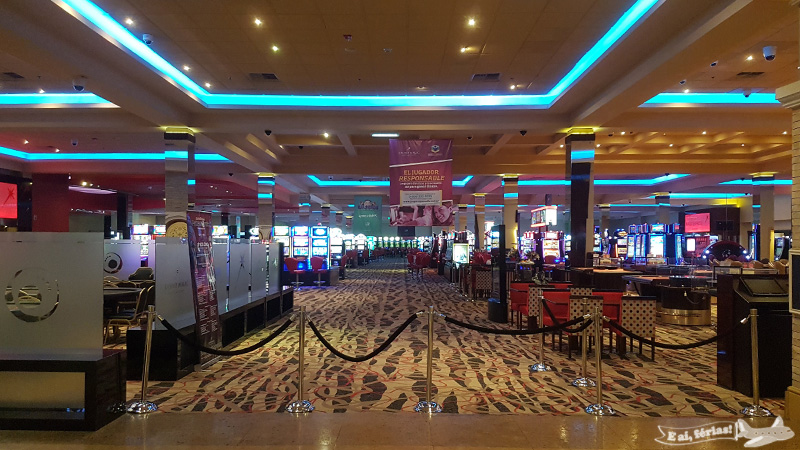
There is no universal perfect interval, but a misstep beginners make is assuming longer gaps are preferable because they feel less intrusive. In reality, https://games.thestar.com/ an hourly reminder might arrive too late if a losing streak intensifies its grip in under twenty minutes. A more productive calibration is to match the reminder frequency to the risk of the game being played. Fast-paced slots with rapid spins gain from shorter check-in windows, while a slow-paced table game might fit a slightly longer span. The player should test during their first sessions and take note on how time feels. If a reminder triggers surprise—”has it really been that long?”—the interval was too generous. The aim is to create a subtle rhythm that keeps the prefrontal cortex engaged, not to create an annoyance that gets switched off. Treating this tool as a flexible setting, adjusted alongside mood and game choice, transforms it from a background beep into a genuine decision-making aid.
Number seven Neglecting to Connect Tools with Outside Support Networks
The ultimate and perhaps most critical beginner mistake is believing that platform tools alone can solve every gambling challenge. In-platform limits and exclusions are strong, but they operate within a closed system. True resilience arises from connecting these digital safeguards to real-world support structures. A player who never notifies anyone about their self-exclusion plan, or who conceals their limit-setting efforts from family, builds an isolation that leaves it easier to break those boundaries later. Responsible gambling tools work best when a trusted friend or partner is aware of the limits that have been set and can quietly check in. External accountability also diminishes shame, which is one of the primary drivers of secretive actions. Additionally, keeping helpline numbers such as Gambling Help Online (1800 858 858) saved in a phone, even if they are never utilized, acts as a psychological safety valve. Acknowledging immediate help exists lowers the perceived cost of admitting a slip-up and fosters honest self-monitoring rather than defensive denial.
Building a Personal Responsible Gambling Circle
An organized approach involves assembling a compact personal circle of support, which could involve one close friend, a family member, and a professional resource. The player can communicate their chosen limits with that network—not necessarily the exact numbers, but the commitment to staying within a safe framework. They can also establish on a code phrase that signals they are struggling, making it easier to reach out without lengthy explanations. On the professional side, free Australian services like Gambler’s Help provide discreet counselling and financial advice that goes far deeper than any app setting. The mistake is treating these services as a last resort. Consulting a counsellor early, even for a single educational session about how gambling affects the brain, can dramatically improve the way a player uses platform tools. King Casino actively provides links to these resources because the operator understands that technological limits reach their full potential only when supported by human connection. Marrying digital guardrails with real-world accountability turns responsible gambling from an abstract policy into a practical, supported practice that endures through life’s ups and downs.
Recognising the Limits of Willpower Alone
Many novices step into the responsible gambling space holding a misplaced confidence that willpower will pull them through. They define limits casually, convinced they can deliberately stop whenever they choose. These features then get overlooked because they feel needless. This ignores decades of behavioral science showing that decision fatigue, emotional states, and environmental cues regularly override willful control. Platform defenses are not an admission of vulnerability; they are an admission that every person’s mind has expected gaps. Embedding outside restrictions, time-outs, and buddy-system check-ins addresses these weaknesses without condemnation. The player who combines King Casino’s built-in tools with candid discussion and specialist support embraces a humility-based model of regulation that is considerably more effective than white-knuckling on its own. The primary rookie pitfall is not a minor adjustment; it is the notion that safe gaming is a lone endeavor that happens entirely inside the monitor.
4. Relying on a Single Tool in Separation
Responsible play features are designed as an interconnected safety system, and using just one tool while ignoring the others is like locking the front door but leaving every window wide open. A player may diligently set a monthly deposit limit but disable session reminders and never check their account history. The deposit limit then becomes a hard barrier they hit with unexpectedness, often leading to frustration and appeals to raise it, rather than a managed boundary they approach with mindfulness. The real protective power multiplies when tools combine. A session time reminder prompts a pause; during that pause, a reality check shows net spend for the session; the player then determines whether to proceed within their deposit cap. This stacked order creates multiple escape points throughout a gaming session. Novices should configure at least three tools in combination from day one: a deposit limit, a session timer, and a loss limit if the platform offers it. The synergy between them provides a safety net that no single function can duplicate alone.
The Deposit-Loss-Session Triangle
Visualising responsible gambling settings as a triangle helps reinforce the idea. The deposit limit governs how much money is deposited over a chosen period. The loss limit, often available as a separate toggle on platforms like King Casino, restricts the amount that can be forfeited in a single day or session, independent of deposits. The session time limit completes the picture by guarding against the extended duration that impairs decision-making. Eliminating any one element of this triangle opens a weakness. For illustration, a player with only a deposit limit might top up their balance after hitting the ceiling by using a different payment method if they failed to set a loss limit. A player with only a session limit can still rapidly try to recover losses in a short, intense burst. Configuring all three doesn’t take long and the settings can be modified gradually, but the initial dedication to triangular protection stops the common circumstance where a single broken boundary collapses the entire responsible play plan.

Number 1 Establishing Deposit Limits That Are Overly Ambitious
Few actions weaken a responsible gambling plan more quickly than picking a deposit limit that looks virtuous on paper but is impossible to live with. A newcomer might decide, often in a moment of strong resolve, to restrict their monthly deposit at an extremely low figure. While the aim is admirable, the sudden winnipegfreepress.com change from unrestricted playing to a tiny allowance can create a frustrating sense of shortage. Within days, the player usually finds the limit is unworkable, rushes to increase it, and may then overshoot to a figure higher than they originally needed, because the act of adjusting limits can weaken psychological commitment. A far more effective method is progressive tuning. Start with a moderate limit that sits slightly below recent spending averages, then narrow it gradually over several weeks once the new threshold feels acceptable. This method sidesteps the boom-and-bust pattern that leaves people more susceptible. It also fosters self-trust, which is the real foundation of sustainable management.
The Reason Extreme Limits Backfire
Once a player cuts their deposit limit to near zero, the brain interprets an immediate lack that can unexpectedly increase the urge to gamble. This psychological rebound effect is well established in behavioural finance. The moment a limit is hit and the system blocks a transaction, the frustration can lead to a frantic search for loopholes, such as opening a second account, using a different payment method, or turning to an unlicensed offshore site where protections vanish entirely. The original safe environment provided by King Casino’s licensed platform then gets abandoned for a much riskier alternative. Extreme limits also fail to teach measured decision-making. Responsible gambling is a habit to be learned, not a punishment to be endured. By setting a ceiling that respects real-world entertainment budgets—comparable to spending on a weekend dinner or a sports ticket—the player stays inside a safe ecosystem and experiences manageable restraint as a normal, sustainable part of the experience rather than a harsh barrier.
How to Calculate a Reasonable Starting Limit
A realistic starting point demands reviewing available funds, not total income. Deduct lease, mortgage, groceries, utilities, savings contributions, and essential expenses first. The remainder is the entertainment pool, and only a portion of that should be reserved for gaming. For most newcomers, allocating approximately fifteen to twenty percent of their monthly entertainment budget to casino play keeps the activity in perspective. It further aids to divide the monthly boundary into weekly looks, because a long month can conceal the expenditure speed. Numerous contemporary sites, like King Casino, provide dashboards that display the residual boundary so gamblers maintain awareness. The main fault is assuming. Tangible data taken from bank statements and budgeting apps produce limits that seem inherently just instead of capriciously confining, leaving the user much less prone to remove the safety railing in a impulsive moment.
Five. Configuring Check-Ins Lacking Personal Context
Reality check notifications are amongst the most personalisable tools, but newcomers commonly keep them at factory defaults or pick arbitrary intervals detached from their actual playing patterns. A standard sixty-minute alert can appear meaningless if it fires during a natural lull in play and is merely dismissed. The mistake is not linking the reality alert to a useful piece of information. The best reality checks display not just time passed but also overall session outcome, amount wagered, and win-to-loss ratios. Without checking these figures, a gambler might think they are “about even” when they are actually significantly down, because our recollection for casino results is notoriously selective. The beginner should customise the check-in to display a clear financial overview and set it to trigger after an interval that matches their attention span, not the default. A 10-minute reminder during fast roulette rounds is much more sobering than an 60-minute signal that comes after the harm has occurred.
Making the Pop-Up into a Decision Point
The biggest waste of a reality check is treating it as an irritation to click through. Transforming the pop-up into a true decision point needs a tiny pre-committed rule. For instance, the player might pre-decide that if the reality check displays a loss greater than a certain percentage of their session budget, they will step away for at least 15 minutes before resuming. Another approach is to utilize the reality check as a moment to record the present balance on a piece of paper kept nearby. The physical action of noting stimulates a different part of the brain and disrupts the digital spell. King Casino’s interface supports such pauses elegantly, pausing game play until the user acts. By crafting a straightforward if-then plan tied to the check-in, the newcomer transforms a passive notification into an active cognitive circuit breaker. This minor change in attitude distinguishes those who imperceptibly slip from those who remain fully in control of their evening.
Leave a Reply